Perfume is often described as invisible art. It doesn’t just stay the same from the moment you spray it—it changes and unfolds over time. This is because perfumes are built in layers, commonly called notes. These notes are divided into three stages: top notes, middle notes, and base notes.
Together, these layers create what is known as the perfume pyramid, a structure that guides how a fragrance smells from the first spray until the very end. Let’s explore each of these notes and understand their role in making perfumes memorable.
Top Notes: The Opening Impression
Top notes are the very first scents you notice right after applying a perfume. They are usually light, fresh, and sharp to capture attention instantly. However, they evaporate quickly, lasting only about 5 to 15 minutes.
They set the tone for the fragrance but are not the whole story. Think of them as the “introduction” of a book—you enjoy it, but there’s much more waiting to be discovered.
Examples of top notes: lemon, bergamot, orange, lavender, mint, and green apple.
In perfumes like Sea Breeze or Spring, fresh citrus and aquatic top notes give you that immediate burst of energy and cleanliness.

Middle Notes: The Heart of the Fragrance
When the top notes fade, the middle notes—also called heart notes—take over. This is the main body of the fragrance and lasts longer, usually 2 to 4 hours.
Middle notes are smoother and richer, often floral, fruity, or lightly spicy. They form the core personality of the perfume and balance the transition between light top notes and heavy base notes.
Examples of middle notes: rose, jasmine, lilac, peach, cinnamon, and nutmeg.
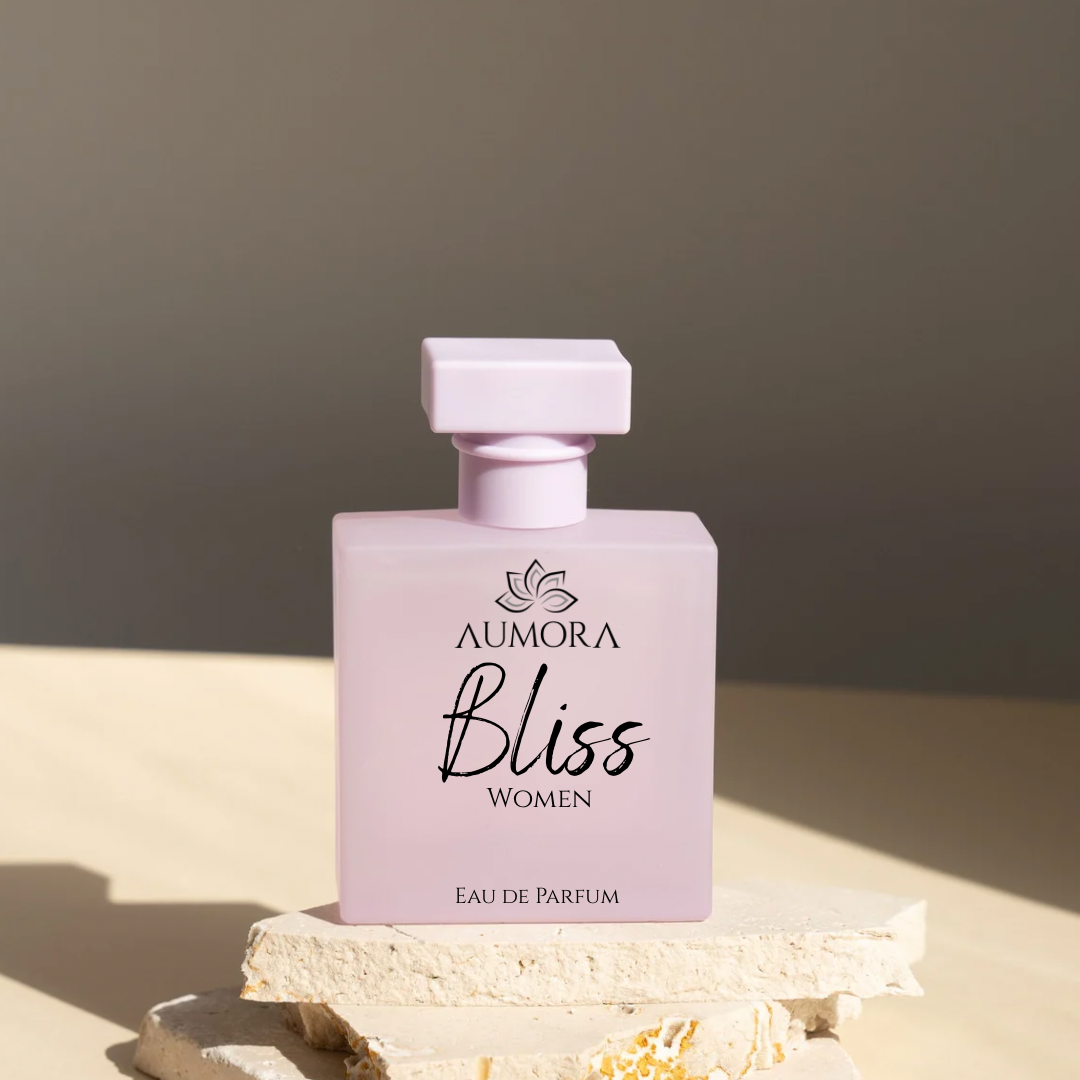
Perfumes like Bloom or Bliss showcase these heart notes beautifully, with floral touches that feel romantic and expressive.

Base Notes: The Lasting Memory
Base notes are the foundation of a perfume. They appear once the fragrance has settled on the skin and can last from 6 to 8 hours or more.
These notes are deep, warm, and long-lasting. They provide strength and stability, making sure the perfume stays with you throughout the day. Without base notes, a fragrance would fade too quickly.
Examples of base notes: sandalwood, oud, amber, musk, patchouli, and vanilla.
Bold perfumes like Oud or Fireglow rely on these strong base notes to create powerful, memorable impressions.
Why Perfume Notes Matter
Understanding notes helps you make better choices:
-
Don’t judge too quickly: The scent you smell in the first spray is only the top notes. Always wait for the middle and base to develop.
-
Longevity depends on base notes: A fragrance with strong woody or musky bases will last much longer than one with only citrus or fruity notes.
-
Pick by occasion: Light, fresh top and middle notes are great for daytime, while deeper base notes work well for evenings.
An Easy Way to Imagine It
Think of perfume like a three-course meal:
-
The top notes are the appetizer—quick, light, and exciting.
-
The middle notes are the main course—filling, balanced, and satisfying.
-
The base notes are the dessert—rich, lasting, and the final memory of the meal.
Each stage plays a role, and together they create the full experience.
Final Thoughts
Perfume is not one fixed smell—it’s a journey that changes with time. The top notes greet you, the middle notes carry the story, and the base notes leave the memory.
By understanding these layers, you’ll not only choose perfumes more wisely but also appreciate them on a deeper level. The next time you try a fragrance, let it unfold fully—you’ll realize that a perfume’s beauty lies in the way it evolves.