Perfume has always been more than just a fragrance. It tells stories, reflects cultures, and carries emotions across generations. From the rituals of ancient temples to the shelves of modern stores, perfume has traveled a long and fascinating journey. Let’s explore how the art of fragrance began and evolved into what we know today.
Perfume in Ancient Egypt
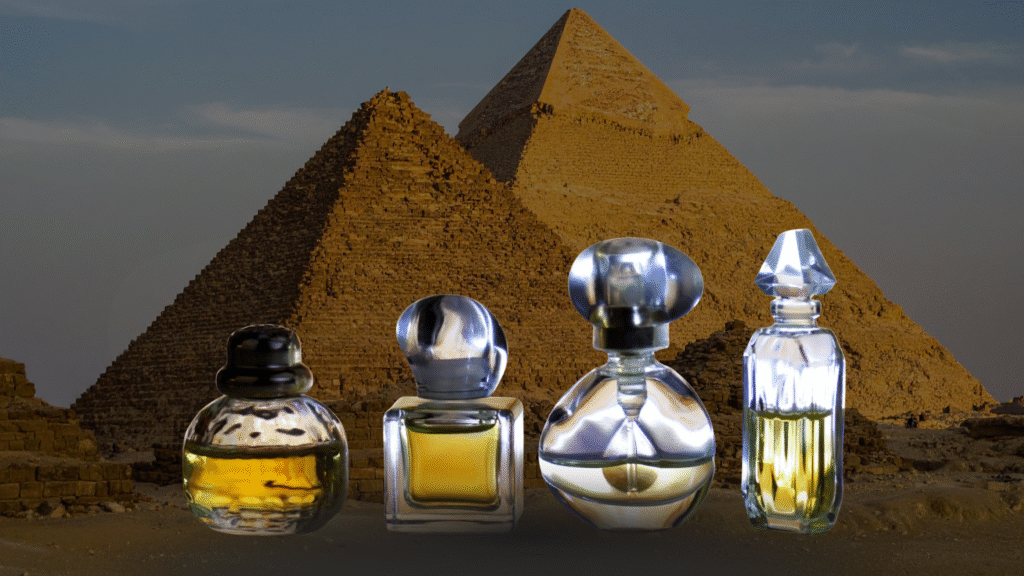
The earliest records of perfume date back to ancient Egypt, around 3000 BC. Egyptians believed scents connected them to the gods. Perfumes were often used in temples, rituals, and burials. They made fragrances from natural ingredients like frankincense, myrrh, lilies, and herbs. Cleopatra was said to have used perfumes not only for beauty but also as a way to leave an unforgettable impression.
Perfume in Ancient Greece and Rome
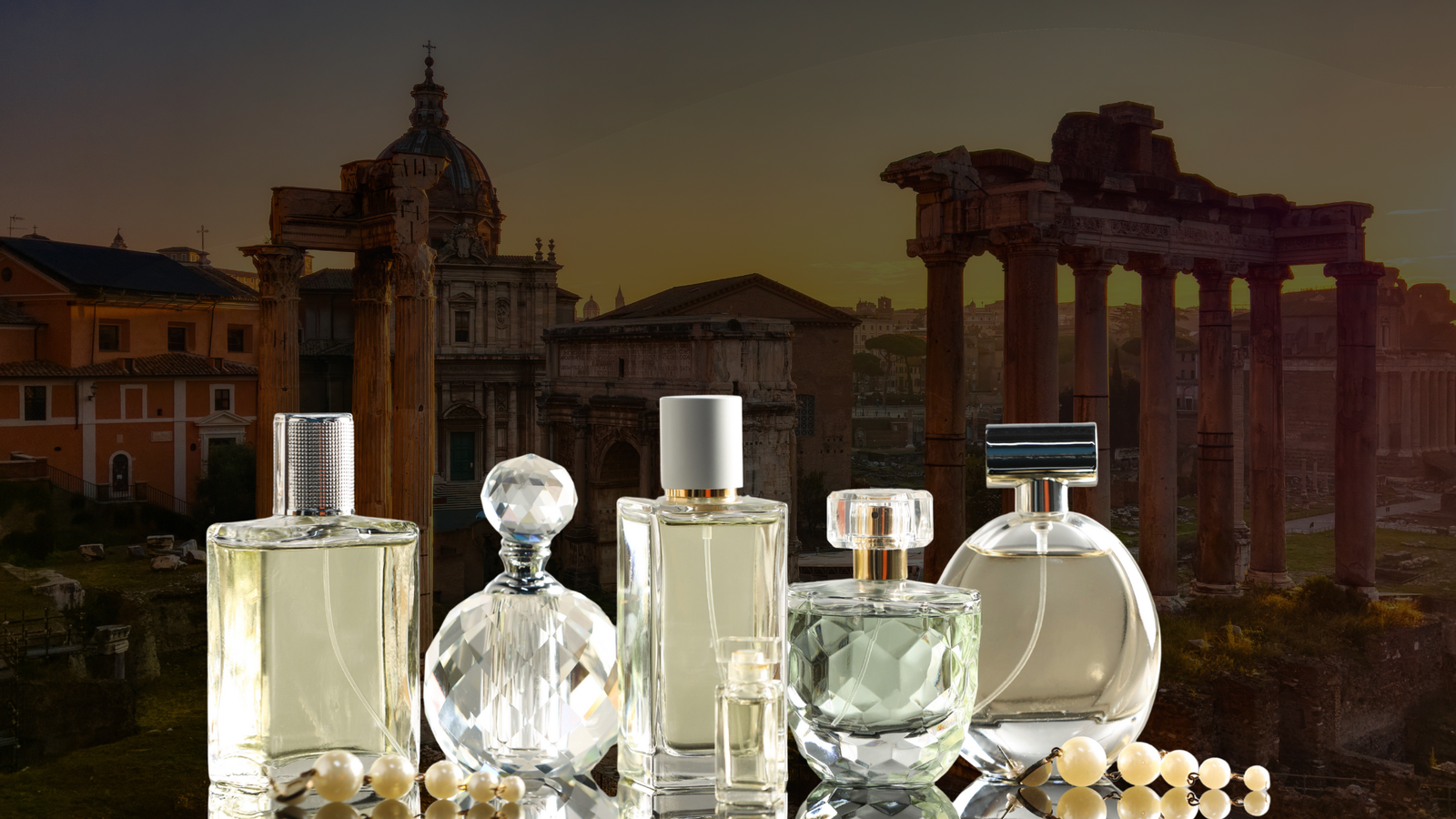
Perfume culture soon spread to Greece and Rome. Greeks used perfumes for celebrations, public baths, and even to honor their gods. Romans took it a step further, using scented oils to show wealth and luxury. They believed fragrance was a sign of refinement. By this time, perfumes were no longer only about rituals—they became part of daily life and fashion.
Perfume in the Middle Ages
After the fall of Rome, Europe went through the Middle Ages, where perfumes were less popular for a while. However, Arab traders kept the art of perfume alive. They introduced distillation techniques, which made perfumes stronger and longer-lasting. This was a big turning point in the history of fragrance. Perfume re-entered Europe through trade routes, especially during the Crusades.
Perfume in the Renaissance
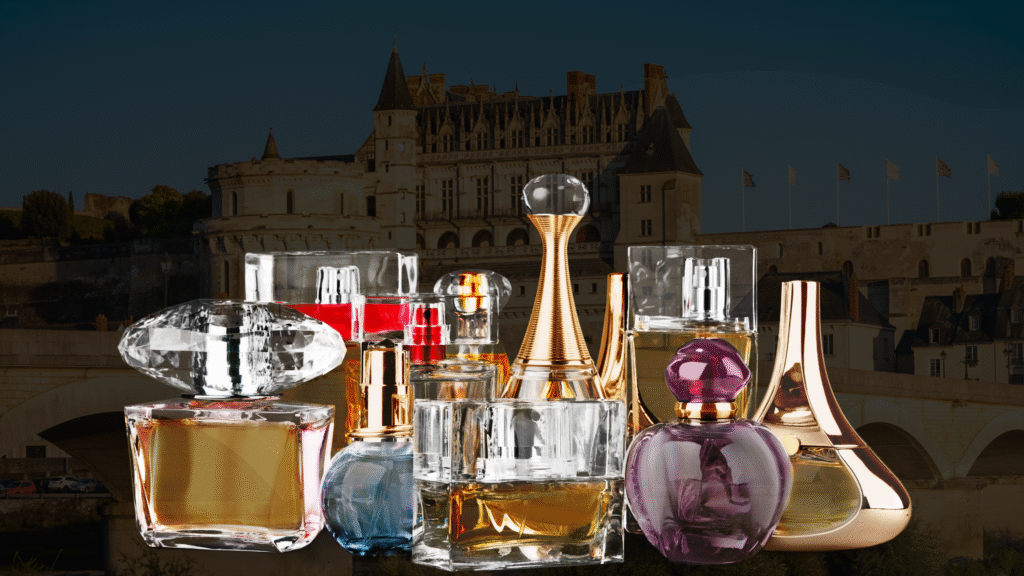
By the 14th and 15th centuries, perfume had returned to European courts. In France and Italy, nobles and royals used perfumes not just to smell good, but also to mask odors (since hygiene practices were very different back then). Perfume was stored in beautifully crafted bottles, becoming a symbol of elegance and sophistication.
The Golden Age of French Perfumery
France became the world’s perfume capital during the 17th and 18th centuries. The French court, especially under King Louis XIV, adored perfumes. The fashion of wearing gloves scented with perfumes began in Grasse, a small town that later became the heart of perfume making. By this time, fragrance was no longer just for the rich—it started spreading among common people too.
Perfume in the Modern Era
The 19th and 20th centuries completely transformed the perfume industry. Scientists discovered how to create synthetic notes, which gave perfumers more creativity and options beyond natural ingredients. This is when many iconic perfume houses like Chanel, Dior, and Guerlain rose to fame. Perfume became more accessible, fashionable, and personalized.
Today, perfumes are not just accessories—they are a part of identity. People wear fragrances to express mood, personality, and even memories. From light floral scents to bold woody blends, perfume continues to evolve with time and trends.
Conclusion
The journey of perfume, from the sacred rituals of ancient Egypt to the stylish bottles in our homes today, shows its timeless charm. Perfume has always been more than just fragrance—it is culture, history, and emotion captured in a bottle. And as the art of perfumery grows, one thing is certain: the love for scent will never fade.